2026 Honda Fcx Clarity Redesign
Market Positioning and Competition

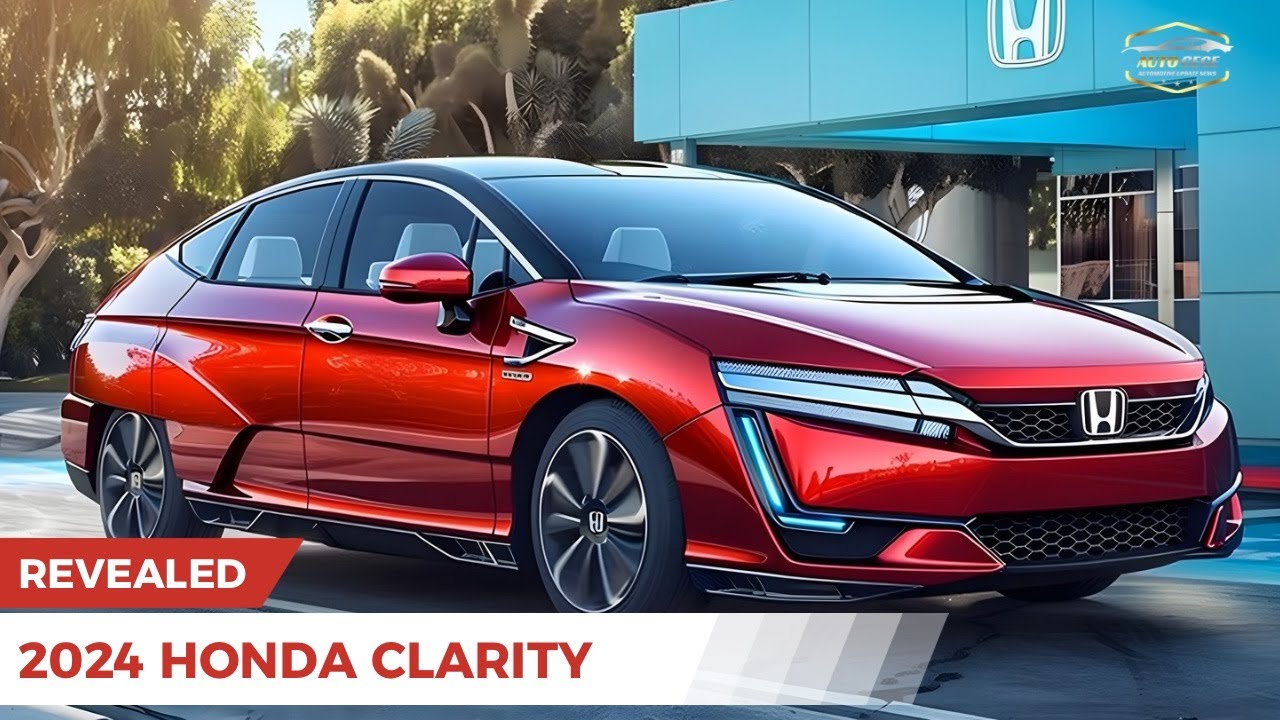
The 2026 Honda FCX Clarity is a midsize hydrogen fuel cell vehicle (FCV) that targets environmentally conscious consumers who prioritize sustainability and zero-emission transportation. It aims to appeal to individuals and families seeking a practical and efficient alternative to gasoline-powered vehicles.
The competitive landscape for hydrogen fuel cell vehicles is still evolving, with limited market penetration and a relatively small number of competitors. Key rivals include the Toyota Mirai, Hyundai Nexo, and Mercedes-Benz GLC F-CELL. These vehicles offer similar features, such as extended driving range, quick refueling times, and zero tailpipe emissions.
Features and Pricing Comparison
The 2026 Honda FCX Clarity is expected to offer a competitive feature set, including an advanced hydrogen fuel cell powertrain, a spacious and comfortable cabin, and a suite of driver-assist technologies. Its pricing is anticipated to be in line with other FCVs in the market, making it an accessible option for eco-minded consumers.
Market Share and Sales Projections
The potential market share and sales projections for the 2026 Honda FCX Clarity will depend on several factors, including the growing demand for sustainable transportation, government incentives, and the availability of hydrogen refueling infrastructure. Analysts predict that FCVs will gradually gain market share in the coming years, with the Honda FCX Clarity positioned to capture a significant portion of this growing segment.
Environmental Impact

The 2026 Honda FCX Clarity is an environmentally friendly vehicle that produces zero emissions. Hydrogen fuel cell vehicles (FCEVs) are powered by hydrogen, which reacts with oxygen to produce electricity. The only byproduct of this reaction is water vapor. This makes FCEVs much cleaner than gasoline-powered vehicles, which emit harmful pollutants such as carbon dioxide, nitrogen oxides, and particulate matter.
Emissions Reduction Capabilities
The 2026 Honda FCX Clarity has an estimated driving range of over 300 miles on a single tank of hydrogen. This is comparable to the range of gasoline-powered vehicles, but without the harmful emissions. In addition, FCEVs do not require a long time to refuel, making them a convenient option for drivers.
Comparison to Gasoline-Powered and Electric Vehicles
FCEVs are more environmentally friendly than gasoline-powered vehicles, but they are not as efficient as electric vehicles (EVs). EVs do not produce any emissions, and they are more efficient at converting energy into motion. However, EVs have a shorter driving range than FCEVs, and they take longer to refuel.
Potential for a Greener Future
Hydrogen fuel cell vehicles have the potential to play a major role in reducing greenhouse gas emissions and improving air quality. As hydrogen production becomes more sustainable, FCEVs will become even more environmentally friendly. In the future, FCEVs could become the dominant type of vehicle on the road, helping to create a cleaner and healthier planet.
FAQ Summary
What is the range of the 2026 Honda FCX Clarity?
The 2026 Honda FCX Clarity has an estimated range of approximately 400 miles on a single tank of hydrogen.
How long does it take to refuel the 2026 Honda FCX Clarity?
Refueling the 2026 Honda FCX Clarity takes approximately 3-5 minutes, similar to refueling a conventional gasoline-powered vehicle.
Is the 2026 Honda FCX Clarity available in all states?
The availability of the 2026 Honda FCX Clarity may vary depending on the state’s hydrogen fueling infrastructure. Currently, hydrogen fueling stations are primarily concentrated in California and other select regions.